You Don t Have to Be Perfect to Be Amazing
As a designer who has spent years testing digital assets for real-world embroidery, I approach every new download with a mix of optimism and skepticism. The market is flooded with generic text files that look great on screen but fall apart under the needle. When I first opened the package for You Don t Have to Be Perfect to Be Amazing, my immediate reaction was one of relief. This isn't just another clipart file; it feels like a design built with the practical realities of machine embroidery in mind.
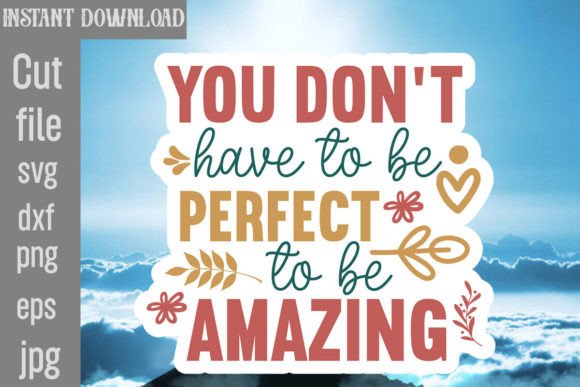
The message itself carries a weight that resonates deeply with anyone running a handmade business or creating personalized gifts. It speaks to the imperfect nature of our craft and the beauty found in the process. But beyond the sentiment, the visual personality of this piece is what truly matters. The layout strikes a balance between bold statement and delicate detail, making it versatile enough for a variety of projects without feeling cluttered or overwhelming.
Real-World Application: From Screen to Stitch
I recently decided to put You Don t Have to Be Perfect to Be Amazing to the test by incorporating it into a custom embroidered tote bag project intended for a local boutique client. My goal was to create a product that felt authentic and encouraging, something a customer would actually use daily rather than hang on a wall. The design's structure allowed me to visualize the final outcome almost instantly.
When transferring the digital embroidery file to the hoop, the spacing of the letters proved crucial. Unlike many other designs where tight kerning leads to thread breaks, this layout offered enough breathing room for the satin stitches to lay flat against the canvas. I chose a soft cream fabric to let the contrast shine, and the result was crisp and legible even from a distance. For an Etsy seller or small shop owner, this level of clarity is essential. A blurred or distorted message can ruin the perceived value of a handmade product, whereas clean stitching builds trust and encourages repeat purchases.
The versatility of this graphics asset extends well beyond tote bags. Imagine this design stitched onto a baby onesie using a fine gauge thread, or perhaps as a focal point on a holiday gift pillow cover. The emotional resonance of the phrase makes it perfect for nursery decor, wedding gifts, or even as a morale booster on aprons for home cooks. In each scenario, the design acts as more than just decoration; it becomes a conversation starter that elevates the finished product from a simple commodity to a meaningful keepsake.
Navigating Fabric and Surface Challenges
While the design holds up beautifully on stable fabrics like cotton twill or denim, there are specific situations where caution is required. As an experienced reviewer, I must highlight that You Don t Have to Be Perfect to Be Amazing may struggle on highly textured or stretchy materials if not properly stabilized. Embroidering on thin jersey or loose-weave linen requires a high-quality cutaway stabilizer to prevent puckering, which can distort the lettering and ruin the aesthetic appeal.
Curved surfaces present another hurdle. If you plan to adapt this design for caps or hats, you will need to adjust the digitization settings to account for the curvature. Small details in the corners of the letters might get lost if the hoop size is too small or if the curve is too extreme. Similarly, dark fabrics demand careful consideration of thread colors. While the design works well with light backgrounds, applying it to black fabric without adjusting the stitch density or adding a underlay could result in a muddy appearance where the text blends into the background.
For those working on commercial embroidery projects involving frequent washing, such as workwear or children's clothing, the density of the fill stitches is a key factor. If the design includes dense areas, ensure that the thread choice matches the durability requirements of the garment. Using low-quality thread in a high-stress area can lead to pilling or breakage over time, diminishing the professional look of your brand.
Practical Notes for Designers and Makers
Before committing to a full production run, I strongly advise testing the design on scrap fabric first. This step is non-negotiable for any serious crafter or business owner. It allows you to check thread color contrast and review stitch density to ensure the design looks as good in person as it does in a printable mockup. You should also inspect small details closely, especially if you plan to scale the design down for smaller items like patches or baby clothes.
Another critical step is confirming whether the design works for both personal and commercial projects. Many digital products come with licensing restrictions that limit how you can sell finished goods. Always read the terms associated with the Crafts and Graphics category before listing items on platforms like Etsy or at craft fairs. Additionally, compare the design in black and white mockups to see how the shape reads without color distractions. This helps identify potential issues with readability that might not be obvious in a colorful preview.
Using proper stabilizer is perhaps the most overlooked aspect of achieving a professional finish. Whether you are working with a sweatshirt embroidery setup or a kitchen towel, the right support prevents the fabric from shifting during the stitch cycle. For this specific design, a tear-away stabilizer might suffice for lightweight fabrics, while heavier garments may require a combination of top and bottom stabilization.
Visual Appeal and Brand Consistency
The ultimate measure of a successful embroidery design is its ability to enhance the brand and engage the buyer. You Don t Have to Be Perfect to Be Amazing succeeds here because it aligns perfectly with the values of modern creative entrepreneurs. It conveys a sense of authenticity and approachability that resonates with today's consumers who appreciate handmade quality over mass-produced perfection.
When used consistently across a line of products, this design reinforces brand identity. Whether it appears on a limited edition collection of holiday gifts or a standard inventory of tote bag designs, the consistent application of this motif creates a cohesive visual language. Customers begin to recognize the style and associate it with reliability and thoughtfulness. This recognition is invaluable for building a loyal customer base in a competitive marketplace.
Furthermore, the design's simplicity allows it to blend seamlessly with other elements. You can pair it with floral applique designs, geometric borders, or even additional text to create complex compositions without losing focus. This flexibility makes it a valuable asset for designers looking to expand their offerings without constantly hunting for new templates.
Final Thoughts on Digital Assets
In conclusion, You Don t Have to Be Perfect to Be Amazing stands out as a thoughtful addition to any embroidery library. It offers a practical solution for creators looking to add depth and meaning to their projects. By understanding its strengths and limitations, you can leverage this design to produce high-quality finished products that customers will cherish. Remember to always verify the file formats provided—such as SVG, DXF, EPS, and PNG—to ensure compatibility with your specific software and hardware. With careful planning and execution, this design can become a cornerstone of your creative portfolio, helping you turn simple threads into lasting memories.