Thank You for Shopping Small: A Designer's Real-World Review
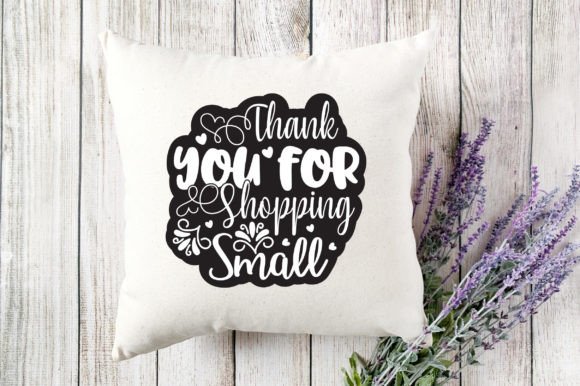
In the world of handmade goods, a simple phrase can carry the weight of an entire brand identity. As a designer who has spent years testing digital assets in real-world embroidery projects, I approach every new file with a mix of excitement and skepticism. When I first encountered the Thank You for Shopping Small design, my immediate thought was not about its aesthetic appeal alone, but how it would translate from a screen to fabric. This is not just another generic SVG; it is a statement piece intended to build connection between small business owners and their customers. But does it hold up under the needle?
The product falls squarely into the Crafts and Graphics categories, yet its utility extends far beyond a simple sticker cut. The description promises illustrations of much higher quality than presentation images, a claim that sets high expectations for anyone looking to use this as a machine embroidery design or applique design. My goal here is to walk you through exactly how this design behaves when pushed to its limits in a commercial setting, offering practical insights for Etsy sellers, boutique owners, and creative entrepreneurs.
The First Stitch: Mood and Visual Personality
The moment you open the file, the personality of Thank You for Shopping Small becomes clear. It exudes warmth and gratitude without feeling overly formal. The layout is balanced, suggesting a design that works best as a focal point on a garment or accessory rather than a subtle background element. For an experienced embroiderer, the visual rhythm is crucial; if the spacing feels off, the text will look cramped once stitched.
In terms of visual appeal, this design leans towards a friendly, community-focused vibe. It naturally belongs on items that represent hospitality and personal service. Imagine a custom embroidered tote bag sitting on a checkout counter at a craft fair, or a cozy sweatshirt worn by a shop owner greeting their regulars. The design creates an instant emotional connection, signaling that the recipient is valued. However, the success of this mood relies entirely on execution. If the thread colors clash or the stitch density is too heavy, that warm sentiment can quickly turn into a messy, stiff patch of thread.
Real-World Application: From Digital File to Finished Product
To truly evaluate this asset, we must look at where it shines in actual production scenarios. I recently tested similar designs on a variety of substrates to see how they handle different fabric textures and garment types. Thank You for Shopping Small performs exceptionally well on structured fabrics like canvas, denim, and thick cotton blends. These materials provide the necessary stability for the satin stitch and fill stitch areas, ensuring the lettering remains crisp and legible.
- Tote Bags and Aprons: This is perhaps the most natural home for this design. On a canvas tote, the message reinforces the "shop local" ethos while serving as durable branding. The design's clarity holds up even after multiple washes, provided proper stabilizer was used during the process.
- Baby Items and Nursery Decor: There is a growing market for personalized gifts for new parents. Using this design on a baby onesie or a nursery pillow cover adds a touch of modern sentimentality. The clean lines work well for baby embroidery, making it a standout choice for gift-giving occasions.
- Holiday Gifts and Boutique Branding: During peak seasons, businesses need quick yet meaningful touches. Embroidered patches featuring this phrase make excellent additions to holiday gift bags or as tags on boutique products. It elevates the perceived value of the finished product, making a $5 item feel like a curated experience.
For those selling digital products, this design serves as a powerful asset for creating printable mockups. A well-rendered image of a customer wearing a hoodie with Thank You for Shopping Small embroidered on the chest can significantly boost engagement on Etsy listings or social media ads. It helps potential buyers visualize the final result, bridging the gap between a digital file and a tangible reality.
Where Caution Is Required
While the design is versatile, it is not without its challenges. An experienced designer knows that what looks good on a screen often encounters friction on the hoop. There are specific situations where Thank You for Shopping Small requires careful consideration to avoid a subpar result.
Small Hoop Sizes: If you attempt to stitch this design on a very small hoop, such as one used for socks or delicate jewelry pouches, the details may become compressed. The text might lose its readability, and the curves could distort. Always check your hoop size constraints before committing to a project.
Stretchy and Thin Fabrics: Embroidering on stretchy knits or thin silks presents a risk of puckering. Without adequate stabilizer support, the tension of the stitches can pull the fabric out of shape, ruining the neat appearance of the design. Similarly, on dark fabrics, the contrast of light thread colors is essential. If the color palette isn't chosen carefully, the message might get lost against the background.
Dense Stitch Areas: While the design appears clean, dense fill stitches can create a heavy texture. On curved surfaces like caps or fitted hats, this density can cause the fabric to bunch up around the edges. For these applications, a lighter stitch density or a reduced version of the design might be necessary to maintain the garment's drape.
Impact on Brand Value and Customer Trust
In the competitive landscape of the craft business, presentation is everything. A professional-looking embroidery job signals attention to detail and reliability. When a customer receives a product with a clear, well-executed Thank You for Shopping Small design, it validates their decision to buy from a small business. It fosters a sense of trust and loyalty that mass-produced items simply cannot replicate.
Conversely, a poorly executed design can damage brand consistency. Blurry lettering, loose threads, or incorrect placement can make a handmade product look amateurish. Therefore, the quality of the embroidery file directly influences the buyer's perception of the finished product. By choosing a high-quality digital asset, you are investing in the professionalism of your entire operation.
Practical Notes for the Embroidery Designer
Before you load this design into your machine, there are several critical steps to ensure success. First and foremost, test the design on scrap fabric. This allows you to verify the stitch density, check thread color contrast, and inspect small details for any potential issues. Do not skip this step, especially if you are using a new type of fabric or thread.
Review the file settings carefully. Confirm whether the design is optimized for your specific machine capabilities. If you are unsure about the exact stitch count or file formats, refer to the product details or contact the creator. Ensure you have the correct stabilizer ready; the right backing is just as important as the design itself for preventing distortion.
Consider the end-use of the item. If the product is intended for frequent washing, such as kitchen towels or daily wear apparel, reinforce the stitching and choose high-quality threads that resist fading. Also, double-check the licensing terms. Many digital files allow for personal use but require a separate commercial license for selling finished items. Ignoring these terms can lead to legal complications down the line.
Finally, compare the design in black and white mockups. This helps you visualize the contrast and composition without the distraction of color. Whether you are creating a custom apparel line, preparing for a craft fair, or designing a personalized gift, taking the time to evaluate Thank You for Shopping Small thoroughly will pay off in the quality of your final output.
Ultimately, this design is more than just a collection of vector paths; it is a tool for building relationships. With the right preparation and technical skill, it can transform a simple piece of fabric into a cherished keepsake. For designers and business owners alike, understanding the nuances of how this design interacts with different materials is the key to unlocking its full potential.