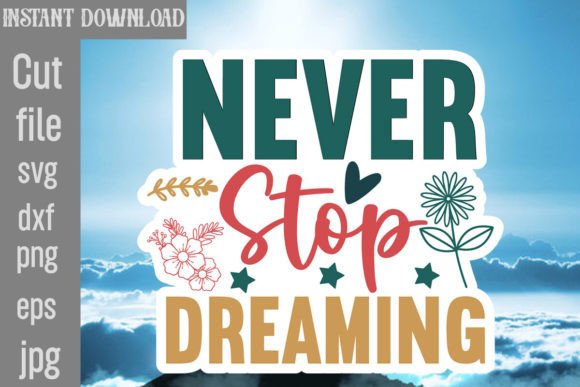
Never Stop Dreaming SVG Cut File: A Designer's Real-World Review
When I first opened the folder for the Never Stop Dreaming SVG Cut File, I wasn't just looking at a vector; I was visualizing how it would translate from a screen to a needle. As someone who spends hours evaluating design assets for my own boutique and client projects, my initial reaction is one of cautious optimism. The mood this file sets is undeniably uplifting, carrying that specific blend of whimsy and determination that makes for excellent motivational decor. However, in the world of machine embroidery, "looking good on a screen" is only half the battle. The real test happens when the thread hits the fabric.
This digital product falls squarely into the Crafts and Graphics categories, offering a versatile suite of formats including an SVG for Cricut, a DXF for Silhouette, an EPS vector, and a high-resolution PNG. But for us, the question isn't about cutting vinyl; it's about stitching stability. How does this design hold up when we move it from a flat digital mockup to a textured sweatshirt or a delicate baby onesie? Let's walk through exactly how I would approach using this file in a real commercial project.
First Impressions and Visual Personality
The layout of Never Stop Dreaming SVG Cut File suggests a design that balances typography with illustrative elements. It feels like a piece meant to be worn proudly or displayed as a centerpiece in a nursery or home office. The visual personality is clean but detailed enough to hold interest. When I imagine placing this on a finished product, the immediate thought is of a cozy, handmade gift that adds a touch of warmth to the recipient's day.
For an Etsy seller or a small shop owner, this design has strong potential for brand consistency. It fits perfectly within the aesthetic of modern boho-chic or minimalist home goods. The font choices appear legible, which is crucial for text-heavy embroidery designs. If the lettering were too thin or the spacing too tight, it would become a nightmare to stitch without piling up. Fortunately, the preview suggests a balance that should render well in satin stitch, provided we respect the limits of the hoop size.
Real-Life Scenario: The Custom Tote Bag Project
Let's put this to the test with a hypothetical scenario. Imagine you are preparing for a local craft fair and need a batch of custom embroidered tote bags to sell as personalized gifts. You decide to use the Never Stop Dreaming SVG Cut File as the main focal point on a canvas tote.
In this situation, the design needs to be robust. Canvas is a sturdy fabric, which is great for holding dense stitches, but it can be unforgiving if the stabilizer isn't chosen correctly. I would start by hooping the bag tightly to prevent puckering. Because this is a digital download intended for multiple uses, I would check the stitch density carefully. If the design relies heavily on fill stitches to create the shape of the dream motif, it might feel stiff against the hand. A soft, wearable finish often requires a lighter touch with the fill, perhaps switching some areas to running stitch or applying a light layer of tear-away stabilizer underneath.
From a customer perspective, seeing this phrase on a tote bag creates an instant emotional connection. It transforms a simple utility item into a statement piece. If the embroidery comes out crisp, with no skipped stitches and clean edges, the perceived value of the product skyrockets. Buyers are willing to pay a premium for items that look professionally finished, not mass-produced. This design has the "handmade" soul that drives sales in the craft business sector.
Navigating Fabric and Stitch Challenges
While the design is promising, there are specific scenarios where Never Stop Dreaming SVG Cut File requires extra caution. Embroidery is not magic; it is physics. If you attempt to stitch this on a stretchy jersey knit without proper stabilization, the tension will cause the letters to distort, turning your motivational message into a wavy mess.
Small Hoop Sizes: If you are working on a cap or a small baby hat, you must verify that the design scales down without losing its integrity. Tiny details often disappear when reduced below a certain threshold. If the design includes intricate decorative accents or tiny lettering, shrinking it for a 4x4 inch hoop might result in a muddy blob rather than a clear image.
Fabric Texture and Color: Dark fabrics present a unique challenge. To ensure the thread colors pop, you might need a top stabilizer or a backing that prevents the thread from sinking into the weave. Conversely, on very thin fabrics like sheer curtains or lightweight tea towels, the weight of the embroidery could drag the material down. In these cases, testing on scrap fabric is non-negotiable. You need to see how the embroidery file interacts with the specific texture before committing to a saleable product.
Dense Stitch Areas: If the design features large blocks of satin stitch, be mindful of the thread colors you choose. Using too many contrasting colors in a dense area can make the design look busy and difficult to read. Sometimes, sticking to a monochromatic palette or a two-tone scheme yields a more sophisticated look that appeals to adult buyers, while bright colors work better for children's apparel or holiday gifts.
Practical Notes for Designers and Sellers
Before you hit "start" on your machine, here is my professional checklist for working with this asset:
- Test First: Always run a test stitch on a scrap piece of the same fabric you plan to use. This reveals issues with tension, thread breakage, or registration errors early.
- Check Stabilizers: Ensure you are using the correct type of stabilizer (cut-away for stretchy fabrics, tear-away for stable wovens) to maintain the shape of the embroidered patch or garment.
- Review Licensing: Since this is a digital product, confirm whether the license allows for commercial use. Are you allowed to sell finished items made with this design, or is it strictly for personal projects? This distinction is vital for any Etsy seller or small shop product line.
- Mockup Visually: Use black and white mockups to check the contrast and readability of the design before adding color. Does the layout still work if the background fabric changes?
- Inspect Small Details: Zoom in on the SVG and EPS files to ensure there are no stray points or overlapping paths that could confuse your digitizing software.
If you are creating personalized gifts or holiday embroidery collections, this design offers a flexible foundation. It works beautifully on aprons, pillow covers, and kitchen towels, adding a functional yet artistic touch to everyday items. The inclusion of a transparent PNG also makes it easy to create printable mockups for your online listings, allowing customers to visualize the final finished product before they buy.
Final Verdict on Visual Appeal and Value
The Never Stop Dreaming SVG Cut File brings a sense of inspiration to the table that is hard to replicate with generic clip art. For designers looking to elevate their custom apparel offerings, this asset provides a solid starting point. It strikes a balance between being trendy and timeless, ensuring that your products won't look dated next season.
However, remember that the quality of the final output depends entirely on your execution. A great design file cannot fix poor stitching technique. By taking the time to adjust stitch density, choosing the right thread colors, and respecting the limitations of your hoop size, you can turn this digital download into a high-value commercial asset. Whether you are decorating a sweatshirt for a boutique client or creating a unique embroidery project for a family member, this file delivers on its promise of creativity. Just keep your eyes on the details, and your customers will love the result.