Keep on Smiling SVG Cut File: A Designer's Review
When I first opened the folder for the Keep on Smiling SVG Cut File, I wasn't just looking at a graphic; I was visualizing the finished product. As someone who has spent years turning digital files into tangible, stitched realities, my initial reaction to this design is one of genuine optimism. The mood it sets is instantly uplifting, making it a perfect candidate for projects that need to convey warmth and positivity. But does the digital promise translate well to the needle and thread? That is the question every serious crafter and small business owner needs to answer before hitting the start button on their machine.
First Impressions and Visual Personality
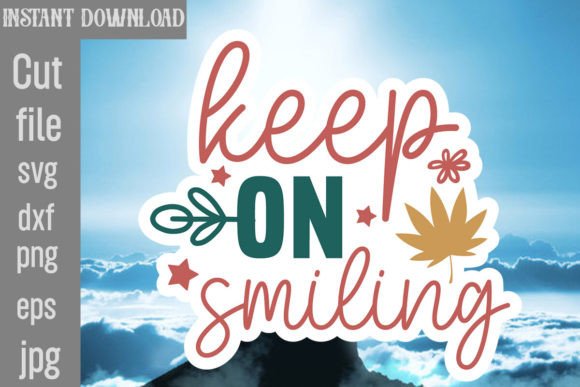
The layout of the Keep on Smiling SVG Cut File feels balanced and approachable. It avoids the cluttered look that often plagues low-resolution graphics, which is crucial when scaling an image down for a baby onesie or up for a large tote bag. The typography suggests a hand-lettered style that pairs beautifully with the implied imagery of a smile. In the world of embroidery, where texture plays a massive role, this design offers a clean canvas. It doesn't rely on intricate, microscopic details that might get lost in a dense fill stitch, nor does it feel so simple that it lacks character.
This design naturally belongs in the realm of handmade gifts and boutique branding. It screams "personalized gift" because the message is universally relatable. Whether you are designing a nursery wall hanging or a custom apron for a coffee shop employee, the visual personality fits seamlessly. It creates a sense of connection between the maker and the wearer, which is exactly what drives engagement in the craft business.
Real-World Application: From Screen to Stitch
To truly understand the value of this file, we have to look at how it performs in a real-life scenario. Imagine I am preparing a batch of custom embroidered tote bags for a local holiday market. These bags will be sold as part of a boutique product line, and they need to look professional enough to justify a higher price point. I load the Keep on Smiling SVG Cut File into my digitizing software to check the vector paths.
The file includes a robust set of formats, including a high-quality PNG transparent background at 300 Dpi, which is excellent for creating printable mockups to show potential buyers on Etsy listings before the item is even made. However, the real test is the stitching. When I simulate the design on a cotton canvas tote, the lettering holds its shape well. The curves of the text suggest a satin stitch application that would catch the light nicely, adding a subtle sheen that elevates the perceived value of the finished product.
I also considered using this for a sweatshirt embroidery project. For apparel decorators, the stability of the design is key. If the design were too wide, it might distort on a curved shoulder seam, but the proportions here seem safe for standard placement on a chest or back. It transforms a plain garment into a statement piece, something customers love to see in their social media feeds. This kind of positive messaging often leads to higher buyer engagement because people want to wear clothes that reflect their current mindset.
Navigating Potential Pitfalls
Even a great design like the Keep on Smiling SVG Cut File requires careful execution. There are specific scenarios where this design might struggle if not handled with precision. For instance, if you attempt to use this on a very small hoop size, such as for a delicate baby embroidery project on a hat or a tiny patch, you must be wary of the letter spacing. While the file is scalable, reducing it too much can cause the stitches to crowd each other, leading to puckering.
Textured fabrics present another challenge. If you try to embroider this on a heavy fleece or a rough burlap, the definition of the lines might get lost. Similarly, stretchy fabrics like jersey require a stabilizer that matches the tension of the material; otherwise, the "smile" might warp over time. Dark fabric backgrounds also demand attention. You cannot simply place white thread on black fabric without considering the underlay. If the density is too low, the dark fabric will show through, ruining the crispness of the design. Always test your thread colors against the fabric texture to ensure contrast is maintained.
Furthermore, products that need frequent washing, like kitchen towels or aprons, should be stitched with extra care. Dense stitch areas in this design could potentially snag if the stabilizer isn't removed correctly after stitching. Curved surfaces like caps are particularly tricky; while the design is versatile, the curvature of a cap can flatten the vertical elements of the text, making it look slightly different than intended. It is vital to inspect small details and run a test stitch on scrap fabric first to see how the machine handles the specific geometry of the smile.
Impact on Brand and Customer Trust
In the competitive landscape of digital product sellers and Etsy sellers, the quality of your output defines your reputation. Using a clean, well-structured machine embroidery design like this one directly influences customer trust. A sloppy stitch job or a distorted logo can make a handmade product look amateurish, regardless of the materials used. Conversely, a crisp, clear application of the Keep on Smiling SVG Cut File signals professionalism.
When a customer receives a personalized gift or a custom apparel item with a perfectly executed design, they are more likely to become repeat buyers. The design acts as a visual anchor for your brand consistency. If you are selling digital embroidery files yourself, ensuring that your assets like the EPS vector and DXF file for Silhouette are clean and error-free is paramount. This design supports both commercial embroidery projects and personal hobbyist endeavors, making it a versatile tool for creative entrepreneurs.
Practical Notes for the Design Reviewer
Before you commit to a full production run, there are several technical steps you must take. First, review the stitch density settings in your software. Since the file provides a DXF file for Silhouette and an SVG for Cricut, you may need to re-digitize it specifically for your embroidery machine to optimize the running stitch and fill stitch combinations. Do not assume the cut file translates perfectly to embroidery without adjustment.
Confirm the hoop size required for your specific project. If the design is intended for a 4x4 hoop, ensure your fabric pieces accommodate that area without cutting off the edges. Check whether the design works for both personal and commercial projects by verifying the licensing terms included with the download. Some designers offer personal use only, while others allow you to sell finished items created with the design.
Finally, test the design in black and white mockups to see how the shapes hold up without the distraction of color. Compare light and dark fabric backgrounds to determine the best thread colors. Use proper stabilizer to prevent distortion, and always inspect the small details of the smile to ensure no corners are jagged. By following these practical guidelines, you can turn the Keep on Smiling SVG Cut File from a simple digital asset into a standout component of your craft business portfolio.