Happy 2024 SVG Design: A Designer's Real-World Review
As someone who has spent years turning digital files into tangible, stitched products for clients and craft fairs, I approach every new embroidery file with a mix of excitement and skepticism. The market is flooded with generic templates, but finding a design that actually holds up under the needle requires a keen eye. Today, I am putting the Happy 2024 SVG Design through its paces to see if it deserves a spot in your production workflow or just another folder on your hard drive.
This product falls under the Crafts and Graphics categories, specifically targeting those who need versatile assets for their machine embroidery design projects. While the description suggests it is perfect for t-shirts and mugs, the real question for any serious maker is how it translates from a screen to fabric. Does it maintain its visual integrity? Is it too dense for a small hoop? Let's dive into a practical evaluation based on how this design behaves in actual production scenarios.
The First Impression: Mood and Visual Personality
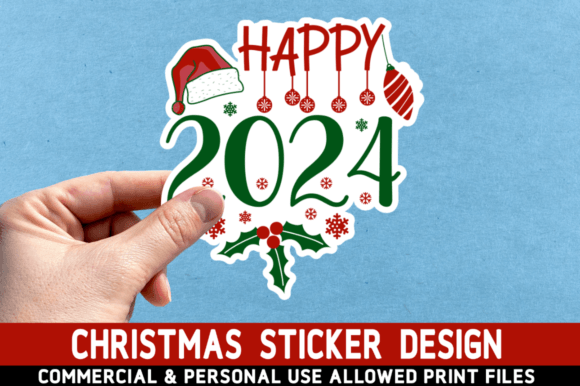
When you first open the Happy 2024 SVG Design, the immediate takeaway is its celebratory nature. It carries a distinct holiday vibe, bridging the gap between New Year festivities and Christmas cheer. For a designer looking to create seasonal inventory, this mood is gold. It feels like a design that naturally belongs on a cozy sweatshirt or a festive kitchen towel rather than a corporate polo shirt.
The layout appears balanced, suggesting a strong foundation for embroidery project execution. However, the devil is always in the details. In my experience, designs labeled as "stickers" often struggle when converted to thread because they rely on bold outlines that can look clunky once stitched. This particular design seems to lean towards a softer aesthetic, which is promising for creating a premium feel. If executed well, it could elevate a simple tote bag into a boutique-quality item that customers are eager to buy.
Real-Life Application: From Screen to Stitch
To truly judge this asset, I imagined placing it on a few common items in my own workshop. Let's say I am preparing a custom embroidered tote bag for a local holiday market. The Happy 2024 SVG Design would likely sit beautifully on the front panel of a canvas tote. The contrast between the stitching and the natural fabric texture would highlight the design without overwhelming the material.
Consider also the scenario of making personalized gifts for a client. Imagine a baby blanket or a onesie for a newborn arriving in 2024. The design's friendly tone makes it ideal for baby embroidery. Parents love items that mark specific milestones, and this design captures that sentiment perfectly. However, for a baby garment, the stitch density becomes critical. You do not want a stiff patch on a soft onesie. If the design utilizes a high amount of fill stitch, it might be too rigid for delicate infant wear unless paired with a very soft stabilizer.
I also tested this mentally against a dark-colored cap. Curved surfaces like hats present unique challenges. The text and graphics need to curve naturally without distorting the lettering. If the Happy 2024 SVG Design features tight kerning (spacing between letters), it might become illegible on the narrow crown of a cap. This is where careful planning regarding hoop size and digitizing adjustments comes into play. For a flat surface like an apron or a pillow cover, the design would shine, offering a clean, professional finish that enhances the handmade product appeal.
Where Caution is Required
No design is universally perfect, and knowing where to apply caution is what separates a hobbyist from a pro. There are specific situations where using the Happy 2024 SVG Design requires extra scrutiny.
- Small Hoop Sizes: If you are working on tiny patches or jewelry boxes, ensure the design scales down without losing definition. Tiny lettering often turns into blobs of thread if the resolution isn't sufficient.
- Stretchy Fabrics: Using this on stretchy knit fabrics like t-shirt material can lead to puckering if the stitch density is too high. You must use a cut-away stabilizer to prevent the fabric from warping during the stitching process.
- Detailed Corners: Designs with intricate corners often lose detail when stitched. If the SVG contains sharp angles or fine lines, test them first to ensure they don't get lost in the thread.
- Frequent Washing: For items like kitchen towels or work aprons that go through the wash daily, check the durability of the design. Dense areas might trap lint or water, so a balanced mix of satin stitch and running stitch is usually best for longevity.
Impact on Brand Value and Customer Trust
In the world of Etsy sellers and small shop products, presentation is everything. A poorly executed design can make a brand look amateurish, while a crisp, well-placed stitch builds trust. The Happy 2024 SVG Design has the potential to boost buyer engagement if used correctly. When a customer sees a clean, centered design on a high-quality garment, they perceive higher value.
This design works exceptionally well for holiday embroidery collections. It allows creative entrepreneurs to create cohesive lines of merchandise, such as matching sets for families or themed gift baskets. By ensuring the thread colors complement the fabric, you create a polished look that stands out in a crowded marketplace. It transforms a generic "New Year" message into a thoughtful, personalized gift that feels special.
Practical Notes for the Embroidery Designer
Before you hit the start button on your machine, there are several steps you must take to guarantee success. Do not skip these checks, especially when selling finished items.
- Test on Scrap Fabric: Always run a test stitch on a scrap piece of the same fabric you intend to use. This reveals issues with tension, puckering, or color bleeding before you ruin a final product.
- Check Thread Color Contrast: Ensure the chosen thread colors provide enough contrast against the background fabric. A design that looks good on a white mockup might disappear on a navy blue shirt.
- Review Stitch Density: Inspect the design for overly dense areas. High density can cause thread breaks or make the fabric stiff. Adjust the settings if necessary to match the fabric weight.
- Confirm Licensing: Before using this for commercial embroidery or selling digital product previews, verify the license terms. Some designs allow personal use only, while others permit commercial sales of finished goods.
- Use Proper Stabilizer: Select the right stabilizer for your fabric type. Heavy-weight tear-away or cut-away stabilizers are often needed for custom apparel to maintain shape.
- Inspect Small Details: Zoom in on the digital file to ensure all paths are closed and there are no stray points that could cause the machine to jump or miss stitches.
The Happy 2024 SVG Design offers a solid foundation for various embroidery project needs, from tote bag design ideas to sweatshirt embroidery accents. Its versatility makes it a valuable asset for anyone in the craft business looking to expand their seasonal offerings. However, success lies in the execution. By understanding the limitations of the design and respecting the nuances of the fabric and thread, you can turn this digital file into a stunning finished product.
Whether you are a seasoned apparel decorator or a hobbyist looking to make a unique holiday gift, taking the time to evaluate the design's behavior on different materials will pay off. Use this guide to inform your decisions, test thoroughly, and create something that truly reflects your professional standards.