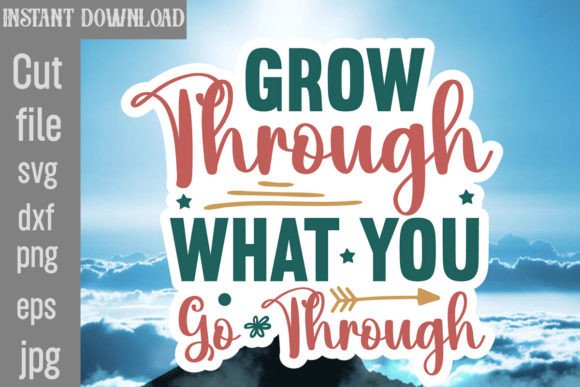
Grow Through What You Go Through SVG Cut Review
As a designer who has spent years turning digital files into tangible, stitched products for clients and my own shop, I know that the difference between a good project and a great one often lies in the initial file selection. When I first encountered Grow Through What You Go Through SVG Cut, it wasn't just another motivational quote; it felt like a design with a specific emotional weight. The phrase itself carries a narrative of resilience, making it an ideal candidate for items meant to be kept and cherished rather than worn once and washed away.
The immediate visual impression of this design is clean and purposeful. In the world of machine embroidery, where every pixel translates to hundreds of stitches, clarity is king. This embroidery file promises a layout that balances readability with artistic flair. For those of us running small businesses or selling on platforms like Etsy, the visual personality of a design dictates how customers perceive the value of the final product. A cluttered or overly dense design can look cheap after stitching, whereas a well-structured vector ensures a professional finish that builds trust with your buyer.
From Digital File to Finished Product: A Real-World Scenario
To truly understand the potential of Grow Through What You Go Through SVG Cut, let's walk through a practical application. Imagine you are preparing for a busy holiday season or launching a new line of boutique merchandise. You decide to create a custom embroidered tote bag for a local community market. The goal is to produce a high-quality item that speaks to women navigating challenging times—perhaps new mothers, career changers, or anyone needing a gentle reminder of their strength.
When I imported the SVG Cut file into my digitizing software to prepare it for the hoop, the first thing I noticed was the spacing. The letters were not so close together that they would merge during the satin stitch phase, nor so far apart that the fill would look sparse. This balance is crucial for a tote bag design because the canvas area is large, but the stitching needs to remain legible from a distance. If the design were too intricate, the texture of the heavy cotton canvas might get lost, resulting in a muddy appearance. Instead, this design allows the fabric texture to complement the thread, creating a tactile experience that feels handmade and premium.
I also considered the color palette. Motivational quotes often look best when paired with contrasting threads against neutral backgrounds. Whether using a soft sage green thread on a cream tote or a bold navy on black denim, the shape of the text in Grow Through What You Go Through SVG Cut supports both high-contrast and subtle aesthetic choices. This versatility is exactly what makes it a valuable asset for a craft business owner who wants to offer customization options without redesigning the core graphic.
Navigating Fabric Challenges and Stitch Density
However, not every surface is created equal, and as an experienced reviewer, I must point out where this design requires careful handling. While the layout is generally robust, there are specific scenarios where Grow Through What You Go Through SVG Cut might need adjustments before hitting the presser foot. For instance, if you plan to use this on a stretchy fabric like a jersey knit sweatshirt, you will need to be vigilant about stabilizer usage. Stretchy fabrics can distort lettering, causing the words to warp or pucker if the underlying support isn't sufficient.
Similarly, while the design is likely suitable for standard cap embroidery, curved surfaces like hats present unique challenges. The tension required to stitch around the curve of a hat can sometimes cause slight gaps in the satin stitch areas if the digitizing isn't optimized for that specific curvature. If you are an Etsy seller looking to expand into headwear, I strongly recommend testing the design on a scrap piece of the same material before committing to a full production run. Check the thread color contrast carefully; dark threads on dark fabric can sometimes lose definition, especially in smaller lettering details.
The file includes a PNG version with a transparent background at 300 DPI, which is excellent for creating printable mockups to showcase your finished goods online. However, remember that a screen image is not always a perfect representation of the physical stitch density. When evaluating the stitch density of the original vector, ensure that the fill areas aren't too heavy for the intended fabric. Dense stitch areas can make lightweight materials like aprons or tea towels feel stiff and less comfortable to use, potentially affecting customer satisfaction.
Where This Design Shines Best
Despite these considerations, there are many projects where Grow Through What You Go Through SVG Cut excels. It is particularly effective for home decor items like pillow covers and kitchen towels. These items often feature stable fabrics like linen or cotton duck, which hold the structure of the embroidery beautifully. The motivational nature of the text aligns perfectly with nursery decor or baby clothes, offering a heartfelt gift for parents. In these contexts, the design acts as a focal point, drawing the eye and conveying a message of care and love.
For commercial embroidery projects, such as branded merchandise for corporate events or team uniforms, the clean lines of this design ensure brand consistency. It doesn't scream for attention in a chaotic way; instead, it offers a quiet confidence that fits well with professional branding. Whether you are creating an embroidered patch for a jacket or adding a personal touch to a wedding gift, the design assets provided allow for flexibility in size and placement.
Practical Tips for the Embroidery Designer
If you are ready to incorporate this design into your workflow, here are a few essential steps to ensure success. First, always test the design on scrap fabric that matches the weight and weave of your final product. This simple step can save you hours of rework and prevent wasted materials. Second, review the hoop size requirements relative to your machine's capabilities. While the download includes various formats like DXF for Silhouette and EPS for vector editing, the actual dimensions must fit within your machine's hoop to avoid stitching errors.
Don't forget to inspect the small details closely. Even in a relatively simple design, tiny corners or sharp angles can sometimes result in thread breaks or puckering if the stitch direction isn't optimal. Comparing light and dark fabric backgrounds in your mockups can also help you decide on the best thread colors to maximize visibility. Finally, confirm the licensing terms before selling finished items. Understanding whether you have commercial rights to sell products made with this digital embroidery file is critical for protecting your small shop product line.
In conclusion, Grow Through What You Go Through SVG Cut is more than just a string of text; it is a versatile tool for creative entrepreneurs. Its ability to convey emotion through simple, clean lines makes it a standout choice for anything from personalized gifts to boutique branding. By approaching the digitization process with care and understanding the nuances of fabric and stitch density, you can transform this digital download into a stunning finished product that resonates with your audience. Whether you are a hobbyist maker or a seasoned commercial embroidery specialist, this design offers a solid foundation for your next successful project.