Good Things Take Time SVG Cut File Review
In a market flooded with generic motivational graphics, finding a design that balances aesthetic charm with practical embroidery potential is a rare find. As a designer who has spent years testing digital assets on everything from delicate baby rompers to heavy-duty work aprons, I recently put the Good Things Take Time SVG Cut File through its paces. This piece falls under the broad categories of Crafts and Graphics, but its true value lies in how it translates from a flat vector into a tactile, stitched reality.
The First Stitch: Visual Personality and Mood
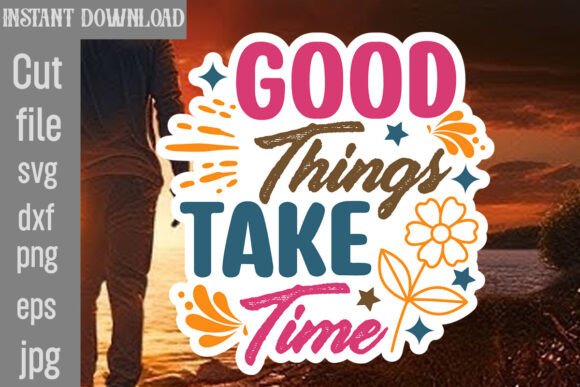
When you first open the file, the immediate impression is one of gentle encouragement rather than aggressive shouting. The phrase "Good Things Take Time" carries a specific weight; it speaks to patience, healing, and the slow, steady progress of life. Visually, the design leans heavily into a retro-inspired aesthetic that feels both nostalgic and contemporary. It isn't just text; it is a mood board brought to life.
The layout suggests a natural flow for stitching. Unlike blocky, square designs that often look stiff when embroidered, this file seems to embrace curves and organic shapes. For an embroidery designer, this is crucial. A design that looks good on a screen but creates tension issues on fabric can ruin a project. Here, the spacing between letters and the overall composition suggest a balanced stitch density that should translate well across various thread counts. It feels like a design meant to be felt as much as seen.
Real-World Application: The Tote Bag Scenario
To truly understand the utility of this asset, imagine a scenario common to many Etsy sellers and boutique owners. You are preparing a custom order for a client who runs a wellness blog or a mental health support group. They need a personalized gift set that includes a tote bag and a matching sweatshirt. The message needs to be clear, uplifting, and durable enough for daily use.
This is where the Good Things Take Time SVG Cut File shines. On a canvas tote bag, the design would likely utilize a combination of satin stitch for the lettering to give it a smooth, raised finish, and perhaps a fill stitch for any decorative elements if the file includes them. The retro vibe pairs perfectly with the rugged texture of cotton canvas. When a customer picks up that bag, the soft sheen of the threads against the matte fabric creates a high-end feel that elevates the perceived value of the product.
I also envision this design on a cozy, oversized sweatshirt for a winter holiday gift. The phrase resonates deeply during the colder months when people often reflect on their personal journeys. If stitched onto the chest or back of a garment, it serves as a conversation starter. It transforms a standard piece of clothing into a statement of identity. For a small business owner, this means higher engagement on social media and increased trust from buyers who appreciate thoughtful, meaningful merchandise.
Where This Design Excels
- Baby Items: The gentle tone makes it ideal for nursery decor, baby blankets, or christening gowns. The retro style adds a timeless quality that fits well with modern nursery themes.
- Applique Projects: Depending on the specific layers within the file, this could serve as a base for applique work, adding depth to kitchen towels or aprons used in craft businesses.
- Holiday Gifting: It fits seamlessly into end-of-year gift guides, offering a message of hope and patience that resonates with recipients.
- Commercial Embroidery: For shops selling mental health awareness products, this design offers a professional, non-clinical approach to the subject matter.
Navigating Technical Challenges
However, every designer knows that what works on paper doesn't always work in the hoop. There are specific scenarios where using the Good Things Take Time SVG Cut File requires caution. If you are working with small hoop sizes, such as those required for hats or caps, the legibility of the text becomes paramount. While the design is generally clear, extremely dense lettering on a curved surface like a baseball cap can lead to puckering or thread breaks if not stabilized correctly.
Texture is another factor. Embroidering on highly textured fabrics, like thick fleece or bouclé, can obscure fine details. If your design includes intricate decorative accents or tiny lettering, these might get lost in the weave of the fabric. Similarly, stretchy fabrics like jersey knit require careful handling. Without the proper stabilizer—such as a cut-away backing for stability—the tension of the stitches could cause the fabric to distort over time, especially after washing.
Dense stitch areas are also worth noting. If the design features large blocks of fill stitch, running the machine at too high a speed without checking the thread tension could result in loose loops or skipped stitches. Always test on scrap fabric first to ensure the thread colors provide sufficient contrast against the background material. Dark fabrics, for instance, may require a different thread palette or an additional layer of underlay to prevent the fabric color from showing through the stitches.
Essential Notes for the Embroidery Designer
- Stabilizer Selection: Never skip the stabilizer step. For items that will undergo frequent washing, like tote bags or kitchen towels, a tear-away or cut-away stabilizer is essential to maintain the integrity of the design.
- Thread Color Contrast: Before committing to a full production run, create black and white mockups or test samples to ensure the design remains legible regardless of the thread choice.
- Licensing and Commercial Use: If you plan to sell finished products featuring this design, verify the licensing terms provided by the creator. Some digital files allow for commercial use, while others restrict sales of physical goods.
- Hoop Size Verification: Check the dimensions of the design relative to your available hoop sizes. A design that is too large for a standard 4x4 hoop may require multiple hooping positions, which increases the risk of misalignment.
- Detail Inspection: Zoom in on the digital file to inspect corners and small details. Ensure there are no gaps that might cause thread breaks during the stitching process.
Final Thoughts on Product Value
Ultimately, the success of an embroidery project comes down to the connection between the maker and the wearer. The Good Things Take Time SVG Cut File offers more than just a graphic; it provides a vehicle for empathy and encouragement. For the craft business owner, this translates into products that customers are proud to wear and display.
Whether you are creating personalized gifts for friends, building a line of handmade products for an online store, or designing assets for a larger commercial brand, this file offers a solid foundation. Its retro aesthetic and positive messaging make it versatile enough for a wide range of applications, from water bottle stickers to substantial apparel pieces. By approaching the digitization and stitching process with care—respecting the fabric, the machine, and the design itself—you can turn this digital asset into a tangible piece of art that stands the test of time.
For anyone looking to add a touch of warmth and wisdom to their collection of embroidery projects, this design is a strong contender. Just remember to test, stabilize, and stitch with intention. The result will be a finished product that not only looks beautiful but feels meaningful to everyone who encounters it.