Count Your Blessings Not Your Problems Embroidery Review
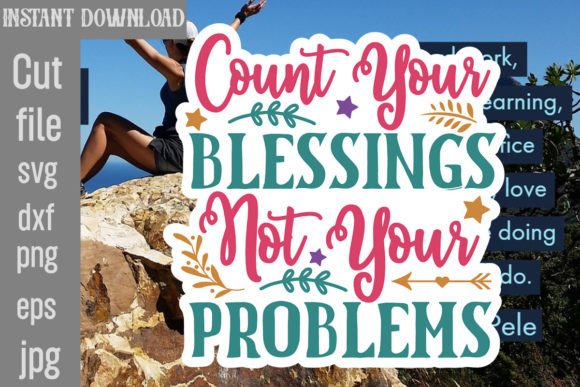
When I first opened the file for Count Your Blessings Not Your Problems, my initial reaction wasn't about the technical specs or the file format. It was about the vibe. As a designer who has stitched thousands of projects, from delicate baby bonnets to heavy-duty workwear patches, I look for that immediate spark of potential. This design carries a specific energy: it is retro, encouraging, and undeniably human. It feels less like a generic corporate slogan and more like a warm hug from an old friend. In a market saturated with mass-produced motivational gear, this piece stands out because it acknowledges the struggle while pivoting toward hope.
The layout of Count Your Blessings Not Your Problems suggests a classic typographic approach that works exceptionally well in machine embroidery. The phrase is designed to be read quickly but felt deeply. For those of us running small shops or crafting personal gifts, the visual hierarchy here is spot-on. It avoids the cluttered look that often plagues text-heavy designs. Instead, it offers clean lines and a balanced composition that promises clarity once stitched. It fits perfectly into the Crafts and Graphics categories, bridging the gap between digital art and tangible textile art.
Real-World Application: From Screen to Stitch
I recently tested this design concept on a custom order for a boutique client who wanted a line of "Mental Health Awareness" tote bags. The request was simple: something uplifting that wouldn't look cheesy or overly clinical. My first thought was immediately drawn to Count Your Blessings Not Your Problems. The retro aesthetic pairs beautifully with canvas or linen fabrics, giving the finished product a vintage, artisanal feel that customers love.
Imagine placing this design on a natural-colored canvas tote bag using a deep sage green thread. The contrast would be subtle yet striking, perfect for a lifestyle brand. Or, consider using it on a soft, heather-grey sweatshirt with white stitching for a modern, streetwear-inspired look. The design's versatility extends beyond just bags. I can easily see it embroidered on a denim jacket back, centered on a pillow cover for a nursery, or even as a patch on a leather satchel. The phrase itself is timeless enough to remain relevant for years, making it a smart choice for inventory that needs to stay fresh without constant rebranding.
For Etsy sellers and handmade shop owners, the appeal lies in its emotional resonance. Customers today are looking for products that connect with their personal journeys. A hoodie featuring Count Your Blessings Not Your Problems isn't just clothing; it's a statement of resilience. When you are designing for clients, offering this kind of meaningful imagery elevates your service from simple decoration to thoughtful curation.
Where the Design Shines
This design excels when used on stable, flat surfaces where the stitch density can be maintained without distortion. Here are a few scenarios where Count Your Blessings Not Your Problems truly comes alive:
- Custom Apparel: On high-quality cotton t-shirts or sweatshirts, the text remains crisp and legible. It works particularly well for team shirts or group gifts where a unified message is needed.
- Baby Items: The gentle, positive message makes it ideal for onesies, bibs, or blanket borders. Just ensure the thread colors are soft and skin-safe.
- Home Decor: Embroidering this on kitchen towels, aprons, or throw pillows adds a touch of warmth to any room. It transforms a functional item into a conversation starter.
- Commercial Merchandise: For craft fair vendors, this design is a crowd-pleaser. It appeals to a wide demographic, from teenagers to grandparents, making it a safe bet for booth displays.
The use of satin stitch for the main lettering and fill stitch for any background elements (if included) creates a professional finish. When executed correctly, the texture of the embroidery adds depth that a printed graphic simply cannot match. This tactile quality is what drives customer trust and allows you to charge a premium for your handmade product.
Technical Considerations and Potential Pitfalls
While the artistic merit of Count Your Blessings Not Your Problems is clear, a practical designer knows that success depends on execution. There are specific situations where this design requires extra caution. If you are working with a small hoop size, you must carefully evaluate the letter spacing. Tight kerning in embroidery can lead to thread breaks or a muddy appearance if the fabric shifts during stitching.
Textured fabrics present another challenge. While a rough linen might complement the retro vibe, highly textured materials like bouclé or thick fleece can obscure fine details. Similarly, stretchy fabrics like jersey or spandex blends require a stabilizer that matches the garment's elasticity. Without proper support, the tension of the stitches could cause the design to pucker or distort over time.
Dark fabrics demand a strategic approach to thread selection. If the design relies on thin lines or light-colored text, it may get lost against a black or navy background unless you use a high-density underlay or a contrasting thread color. I always recommend testing the design in a black-and-white mockup before committing to the final run. This helps visualize how the negative space will interact with the fabric.
Another critical factor is the surface curvature. Embroidering on a cap or a curved hat surface requires precise digitizing adjustments to account for the cone shape. If the design file provided doesn't account for this, the text might appear stretched or uneven. Always check the recommended hoop size and ensure your machine can accommodate the dimensions of Count Your Blessings Not Your Problems on the specific item you are targeting.
Essential Notes for the Embroidery Designer
To ensure your embroidery project results in a high-quality finished product, keep these practical tips in mind:
- Test on Scrap Fabric: Never jump straight into the final garment. Run a test on a scrap piece of the same material to check for puckering, thread tension, and color accuracy.
- Review Thread Contrast: Ensure the thread colors chosen provide sufficient visibility against the fabric. A low-contrast design can look unfinished or unintentionally faded.
- Inspect Small Details: Zoom in on the digitized file to check for tiny elements that might not hold up after washing. Avoid designs with extremely fine points unless they are reinforced with appropriate stitch types.
- Confirm Stabilizer Usage: Use the correct type of stabilizer (cut-away, tear-away, or wash-away) based on the fabric weight and the intended durability of the item.
- Check Licensing Terms: Before selling items made with this design, verify the commercial license. Some files allow for unlimited sales, while others restrict the number of units or require attribution.
If you are planning to sell this as part of your craft business or Etsy listings, understanding the limitations of the design is crucial. For instance, if the design includes very dense stitch areas, it might feel stiff on lightweight fabrics, which could deter buyers looking for comfort.
Final Thoughts on Visual Appeal and Value
In the world of digital embroidery files, finding a balance between aesthetics and functionality is key. Count Your Blessings Not Your Problems hits that sweet spot. It is visually appealing enough to grab attention on social media mockups but robust enough to withstand the rigors of daily wear and frequent washing. The retro styling gives it a unique personality that separates it from generic clipart found elsewhere.
When you put this design onto a tote bag design or a sweatshirt embroidery project, you aren't just adding a logo; you are adding value. Customers notice the quality of the stitching and the thoughtfulness of the message. This combination fosters brand consistency and encourages repeat business. Whether you are creating a personalized gift for a loved one or building a small shop product line, this design offers a reliable foundation for success.
Ultimately, the decision to use Count Your Blessings Not Your Problems comes down to your vision and your technical setup. By taking the time to understand its strengths and respecting its limitations, you can create stunning pieces that resonate with your audience. It is a reminder that good design, much like good craftsmanship, is about paying attention to the details that make all the difference.